If you're here, you might be navigating new territory—perhaps you've recently received an autism diagnosis for your toddler, or maybe you're noticing that your little one plays differently than their peers. You might be wondering if the toys scattered across your living room are the “right” ones, or if there's something better out there that could bring your child more joy, comfort, or connection.
First, let me say this: You're doing beautifully. The fact that you're here, researching and seeking to understand your child's world more deeply, speaks volumes about your love and commitment.
Choosing toys for autistic toddlers isn't about fixing anything or forcing developmental milestones. It's about meeting your child exactly where they are, honoring how they experience the world, and providing tools that make play feel safe, interesting, and genuinely enjoyable for les—not for what any chart or checklist says they should be doing.
This guide is here to help you understand what might resonate with your unique child, why certain toys often become beloved companions for autistic toddlers, and how to create a play environment that feels like a soft place to land rather than another source of overwhelm.
Understanding How Your Autistic Toddler Experiences Play
Before we talk about specific toys, it helps to understand that your toddler may be experiencing the world through a completely different sensory lens than neurotypical children—and that's not something that needs correcting. It's simply their authentic way of being.
The Sensory World of Autistic Toddlers
Many autistic toddlers have heightened or reduced sensitivity to sensory input. What this means in everyday terms:
Touch and Texture: Your child might seek out certain textures obsessively—running their hands over smooth surfaces, squeezing soft things, or loving the feel of cool metal. Or they might avoid certain materials entirely. Neither response is wrong; it's information about what their nervous system needs or finds overwhelming.
Sound: A toy that seems quietly musical to you might feel overwhelmingly loud to your toddler. Conversely, some children crave repetitive sounds that soothe their nervous system. The vacuum cleaner that makes other children cry might be your child's favorite “toy.”
Visual Input: Spinning objects, lights, patterns, and watching things move can be genuinely fascinating and regulating for many autistic toddlers. This isn't “stimming” that needs to be redirected—it's often how they make sense of spatial relationships and find calm in predictability.
Movement and Body Awareness: Some autistic toddlers have an intense need to move, jump, crash, and feel where their body is in space (this is called proprioceptive input). Others may be more cautious about movement and prefer toys they can explore while staying still and grounded.
Why Repetition Isn't Boring—It's Organizing
If your toddler lines up cars for 45 minutes, opens and closes the same door repeatedly, or wants to play the same “game” exactly the same way every single time, they're not stuck—they're often doing important regulatory work.
Repetition helps many autistic children:
- Predict what will happen next in an unpredictable world
- Process sensory information at their own pace
- Experience mastery and control
- Self-soothe and regulate their nervous system
- Simply enjoy the pure pleasure of a predictable pattern
The “right” toys honor this need rather than constantly pushing for novelty.
Play Looks Different—And That's Okay
Your toddler might not play with toys in the ways the box suggests. They might be more interested in how a toy feels than what it “does.” They might prefer watching you play with something rather than touching it themselves. Or they might only like one part of a toy and completely ignore the rest.
All of this is valid, purposeful play. Your job isn't to redirect them toward “proper” play—it's to notice what genuinely lights them up and follow their lead.
What to Look for in Toys for Autistic Toddlers
Rather than thinking about “autism toys,” think about choosing toys that match your specific child's sensory profile, interests, and nervous system needs.
Features That Often Support Autistic Toddlers
Predictability and Cause-and-Effect Toys that do the same thing every time can be deeply satisfying. Push a button, hear the same sound. Drop a ball, watch it roll the same path. This predictability isn't limiting—it's organizing and often delightful.
Clear Visual or Sensory Feedback Toys that provide immediate, clear feedback help children understand their impact on the world. A marble run where they can watch the ball travel. A light-up toy that responds to touch. These aren't just entertaining—they're building understanding of cause and effect at a pace your child can process.
Open-Ended, Low-Demand Toys without a “right way” to play reduce pressure and anxiety. Simple wooden blocks, scarves, containers to fill and dump—these invite exploration without the stress of getting it wrong.
Sensory-Regulating Properties Some toys offer calming input: squishy textures, gentle weight, smooth surfaces to run hands over. Others provide alerting input: things to crash, jump on, or push against. Notice what your child seeks out and provide more of that.
Minimal Noise and Visual Clutter For many (though not all) autistic toddlers, toys with flashing lights, multiple sounds, and busy patterns can be overwhelming rather than engaging. Simpler toys often get more genuine engagement.
Durability and Safety Autistic toddlers may use toys in unexpected ways—mouthing them longer than typical peers, throwing them to watch them fall, or testing their limits. Choosing sturdy, non-toxic toys matters even more.
What Might Be Overwhelming
Again, every child is different, but these features can sometimes be too much:
- Unpredictable sounds or movements
- Toys with many functions happening simultaneously
- Strong smells (some plastics, scented toys)
- Toys that require complex social play or turn-taking before your child is ready
- Anything that feels “demanding” or has a clear success/failure outcome
Toy Categories That Often Resonate with Autistic Toddlers
Let's explore specific types of toys that frequently become beloved by autistic toddlers, and why they might work for your child.
Sensory Exploration Toys
These toys exist purely for sensory experience—and that's exactly what makes them valuable.
Tactile Toys: Silicone pop-its, textured balls, sensory bins filled with rice or water beads, squishy toys, fidgets. These give hands something to do and often help with regulation. Your child might seem “obsessed” with these—that's not a bad thing. They're meeting a genuine nervous system need.
Visual Sensory Toys: Liquid timers, sensory bottles filled with glitter or oil, spinning toys, light-up wands (without sound). These can be mesmerizing in the best way—helping your child regulate, focus, and find calm.
Weighted or Pressure Items: Small weighted lap animals, compression vests (in toy form), or even just a heavy blanket during play time. Many autistic toddlers find deep pressure organizing and calming.
Water and Sand Play: The sensory experience of pouring, scooping, and feeling these materials can be both engaging and regulating. It's open-ended, predictable, and endlessly repeatable.
Cause-and-Effect Toys
These toys help toddlers understand “I do this, and that happens”—a foundational concept that some autistic children need more time and repetition to internalize.
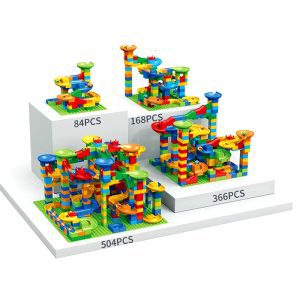
Marble Runs and Ball Drops: Visual, predictable, and satisfying. Your child can watch the same ball take the same path dozens of times, and that repetition is doing important work.
Simple Musical Instruments: A xylophone where hitting a key always produces the same note. A drum that responds to every hit. These are predictable and give clear feedback.
Pop-Up Toys: Push the button, the animal pops up. Every time. The reliability is the appeal.
Light-Up Cause-and-Effect Toys: For children who are visual learners, toys that light up when touched or pressed can be particularly engaging—just watch for overwhelming sounds or too many simultaneous effects.
Montessori and Simple Wooden Toys
There's a reason these classic toys have staying power—they respect a child's need for simplicity and focus.
Wooden Blocks: No right way to use them. No sounds. No lights. Just pure, open-ended building, stacking, lining up, or even just holding. Many autistic toddlers find them organizing.
Simple Puzzles with Knobs: Wooden puzzles with chunky pieces help develop fine motor skills while being visually clear and not overwhelming. The satisfaction of pieces fitting into their exact spot can be particularly appealing.
Shape Sorters: Predictable, clear, and satisfying when the shape finally fits.
Stacking and Nesting Toys: Cups, rings, or boxes that stack or nest offer repetitive play that many autistic toddlers find soothing.
Movement and Proprioceptive Toys
If your toddler is constantly moving, jumping, crashing, or seeking physical input, these toys can help meet that need safely.
Mini Trampolines: (with safety handles) Jumping provides powerful proprioceptive and vestibular input that can be incredibly regulating.
Push and Pull Toys: Toys that provide resistance as your child moves help them feel where their body is in space.
Tunnels and Climbing Structures: Safe spaces to crawl through, climb on, and explore movement.
Ride-On Toys: The physical work of pushing themselves around can be both fun and regulating.
Crash Mats and Soft Play Items: For children who seek impact, having a safe place to jump, crash, and land can prevent injuries and meet their sensory needs.
Visual Learning and Pattern Toys
Many autistic toddlers are strong visual learners and thinkers. These toys honor that strength.
Colorful Stacking Rings or Cups: Organizing by size and color can be endlessly engaging for visual thinkers.
Matching and Sorting Toys: Cards with clear images, simple sorting games, or color-matching activities.
Pattern Blocks: Creating and recreating patterns can be both soothing and cognitively engaging.
Picture Books with Clear, Simple Images: Sometimes a book is a toy—especially board books with one clear image per page that your child can study, revisit, and process.
Imaginative Play (On Their Terms)
Imaginative play might look different for your autistic toddler, and that's perfectly okay.
Simple Figures and Animals: Your child might line them up, sort them, or study them rather than creating elaborate stories—and that's valid play.
Play Food and Dishes: The repetitive act of putting food on plates, organizing it, and starting over can be satisfying. They don't have to “feed the baby” if that doesn't interest them.
Toy Vehicles: Many autistic toddlers love cars, trains, or planes—sometimes for the movement, sometimes for lining them up, sometimes just to hold and examine.
Dollhouses or Simple Playsets: Your child might use these in unexpected ways, but they can become tools for processing the world, creating order, or just enjoying the visual satisfaction of things being “just so.”
Choosing Toys by Age and Stage
While every child develops on their own timeline, here are some general considerations for different ages.
Ages 1-2: Foundation and Sensory Exploration
At this age, autistic toddlers often benefit from:
- Toys they can mouth safely (many autistic children mouth objects longer than neurotypical peers)
- Simple cause-and-effect toys
- Sensory balls and textured items
- Very simple puzzles with 2-3 pieces
- Push and pull toys
- Soft books with textures
What to avoid: Anything with small parts, toys with complex functions, anything that might be frustrating.
Parent reminder: If your 18-month-old is still primarily mouthing toys, that's okay. Follow their lead and keep things safe.
Ages 2-3: Repetition and Mastery
This is often an age of intense repetition and seeking predictability.
Toys that often work well:
- Marble runs and ball drops
- Shape sorters and simple puzzles
- Stacking and nesting toys
- Sensory bins
- Simple art supplies (large crayons, finger paints) if they're interested
- Musical instruments with predictable sounds
- Toy vehicles to line up or roll
What to watch for: This age can bring stronger sensory sensitivities. Notice if certain toys are too loud, too bright, or too unpredictable.
Parent reminder: If your child plays the same way with the same toy every day, they're not “stuck”—they're regulating, learning, and finding joy in predictability.
Ages 3-4: Expanding Interests (At Their Pace)
Some autistic toddlers begin expanding their play repertoire around this age, while others continue to prefer familiar patterns—both are normal.
Toys that might be added:
- More complex puzzles (4-8 pieces)
- Building sets like Duplo blocks
- Simple board games that don't require strict turn-taking yet
- Play-dough or kinetic sand
- More elaborate marble runs or water play
- Costumes or dress-up items (if they're interested in textures)
- Ride-on toys or scooters
What to consider: Your child might be ready for more social play, or they might not be—and that's okay. Don't push toys designed for cooperative play if your child isn't there yet.
Parent reminder: Developmental charts are guidelines, not deadlines. Your child is exactly where they need to be.
Creating a Toy Environment That Feels Safe
Sometimes it's not about the specific toys—it's about how they're presented and organized.
Less Is Often More
An overwhelming pile of toys can be dysregulating and make it harder for your child to focus on any one thing. Consider:
- Rotating toys so only a few are available at a time
- Storing the rest out of sight
- Creating clear, organized spaces for different types of play
- Observing which toys your child actually uses (and donating or storing the rest)
Predictable Play Spaces
Many autistic toddlers thrive with:
- A designated play area that feels consistent
- Toys stored in the same places
- Visual calm (not too many colors or patterns competing for attention)
- Good lighting without fluorescent flicker
- A quiet space option when they need to regulate
Following Your Child's Lead
The best toy environment is one that respects your child's actual interests, not what you think they shouldbe interested in.
If they love:
- Spinning things → Provide more spinnable toys
- Lining things up → Provide more items to organize
- Water play → Make water play easily accessible
- One specific toy → That's okay; they don't need variety right now
What About “Educational” Toys?
Here's something important: All play is learning for toddlers. All of it.
When your child lines up cars, they're learning about:
- Patterns and sequences
- Spatial relationships
- Cause et effet
- Self-regulation
- Focus and attention
When they pour water from cup to cup endlessly, they're learning about:
- Volume and physics
- Hand-eye coordination
- Cause et effet
- Sensory processing
- Patience and persistence
You don't need flashcards, screen-based learning games, or toys that promise to teach the alphabet. Your autistic toddler is learning all the time—especially when they're playing in ways that feel natural and regulating to them.
The most “educational” toy is the one your child actually wants to play with.
Common Questions from Parents
“My toddler only plays with one toy. Should I be worried?”
Deep, focused interest in one item isn't necessarily a problem—it might be exactly what your child's nervous system needs right now. That one toy might be helping them regulate, process, and feel safe. Honor that while gently offering other options nearby without pressure.
“They don't play with toys the ‘right' way. Is that okay?”
Yes. There is no right way. If your child prefers to line up dolls rather than feed them, that's their play. If they'd rather watch you roll the ball than roll it themselves, that's still engagement. Follow their lead.
“How do I know if a toy is too overwhelming?”
Watch your child's responses. Signs a toy might be too much:
- They consistently avoid it
- They seem distressed when it's activated
- They cover their ears or eyes
- Their behavior becomes more dysregulated after playing with it
- They ask for it to be put away or turned off
“Should I avoid screen toys entirely?”
This is a personal decision. Some autistic toddlers find certain screen-based toys regulating and engaging. Others become dysregulated. You know your child. If screens help them learn and don't increase meltdowns, they can be part of a balanced play diet. If they consistently lead to overwhelm, it's okay to skip them entirely.
“Can toys really help with sensory issues?”
Toys can't “fix” sensory processing differences, but they can absolutely provide appropriate sensory input that helps your child regulate. Think of sensory toys as tools for helping your child feel organized and calm in their body, not treatments for autism.
“What if I already bought a bunch of ‘wrong' toys?”
You didn't do anything wrong. You can't break your child with imperfect toy choices. Store the toys that aren't working and observe what your child gravitates toward. That will tell you everything you need to know about what to try next.
A Word About Safety
Autistic toddlers may:
- Mouth toys longer than typical peers
- Use toys in unexpected ways
- Have less apparent awareness of danger
- Be more impulsive or less responsive to verbal warnings
This means:
- Choose toys rated for younger ages if your child is still mouthing
- Avoid small parts longer than typical
- Supervise play more closely
- Anchor heavy furniture (climbing happens)
- Choose sturdy toys that won't easily break into dangerous pieces
- Be thoughtful about cords, batteries, and anything that could be a sensory-seeking hazard
Your child's safety always comes before any toy's entertainment value.
Finding the Right Toys: A Gentle Approach
As you think about adding to your toy collection, here's a low-pressure approach:
- Observe your child. What do they seek out? What do they avoid? What seems to calm them? What energizes them?
- Commencez modestement. Try one new toy at a time. Give your child days or even weeks to decide how they feel about it.
- Honor their “no.” If they're not interested, that's valuable information. You didn't waste money—you learned something about your child.
- Notice patterns. If they love one textured ball, they might love another. If they ignore all light-up toys, save your money.
- Remember that seasons change. A toy they ignore at two might become beloved at three. Store it and try again later.
- Trust yourself. You are the expert on your child. Not toy manufacturers, not influencers, not even well-meaning therapists who see your child for one hour a week. You.
Where KidsBaron Comes In
Finding toys that truly support your autistic toddler shouldn't require a graduate degree in child development or hours of overwhelmed Googling at midnight.
At KidsBaron, we carefully curate toys with all children in mind—including those who experience the world differently. We focus on:
- Safety first: Non-toxic, durable, age-appropriate
- Sensory-friendly options: Toys that consider varied sensory needs
- Simple, quality designs: We favor timeless toys over flashy trends
- Inclusive play: Toys that work for many ways of playing
- Fewer, better choices: We'd rather offer 20 great toys than 200 mediocre ones
We're not here to diagnose, treat, or promise miracles. We're here to help you find toys that might bring your unique child joy, comfort, and engagement—on their terms.
Browse thoughtfully. Choose slowly. Return to your child's cues again and again. And know that every toy you offer with love and attention to your child's true needs is the right choice, whether they play with it or not.
Final Thoughts: You're Doing This Right
If you've read this far, you're clearly a parent who cares deeply about getting this right. So let me tell you something you might need to hear:
There is no perfect toy that will unlock everything for your child.
But there are toys that will make them smile, help them feel organized in their body, give them something satisfying to return to again and again, and provide moments of genuine joy and connection.
Your child doesn't need you to find the “right” toys. They need you to see them clearly, accept how they play, and provide safe options that honor who they actually are—not who any chart says they should be.
The spinning, the lining up, the repetition, the intense focus on one thing, the unexpected ways of playing—that's not something toys need to redirect. That's your child showing you exactly what they need.
Your job is simply to listen.
And maybe, when you find a toy that makes their eyes light up or helps them feel calm in their body, to quietly add it to the collection and step back while they play in whatever way brings them peace.
That's not just good enough. That's beautiful.
A Note to Readers: This guide is based on common experiences and general information about play and sensory processing. It is not medical advice, diagnostic information, or therapeutic direction. Every child is unique, and what works for one may not work for another. Always consult with your child's healthcare providers, therapists, and specialists for personalized guidance. You know your child best—trust that knowledge above everything else, including this guide.